
-
Tarangini -Ajrakh Adjustable Wrap Top Shrug
Regular price $54.00 USDRegular priceUnit price per -
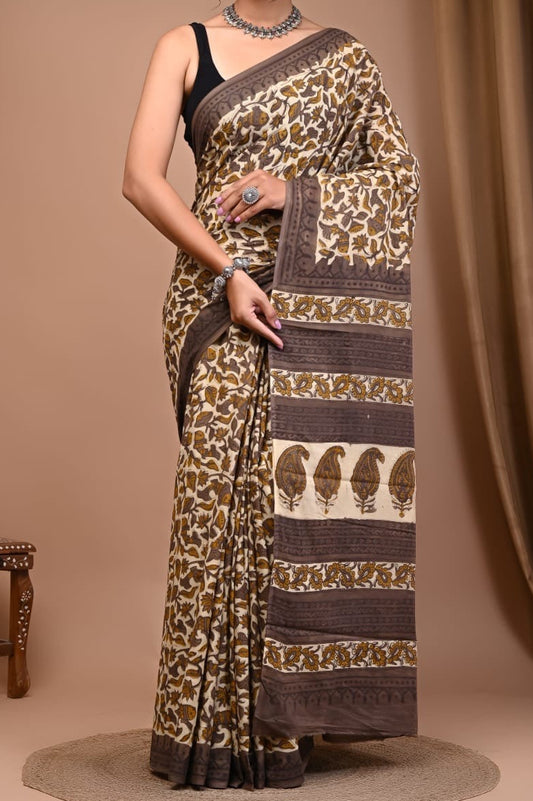
Ajrakh Handblocked Cotton Saree with Natural Dyes
Regular price $90.00 USDRegular priceUnit price per -
 Sold out
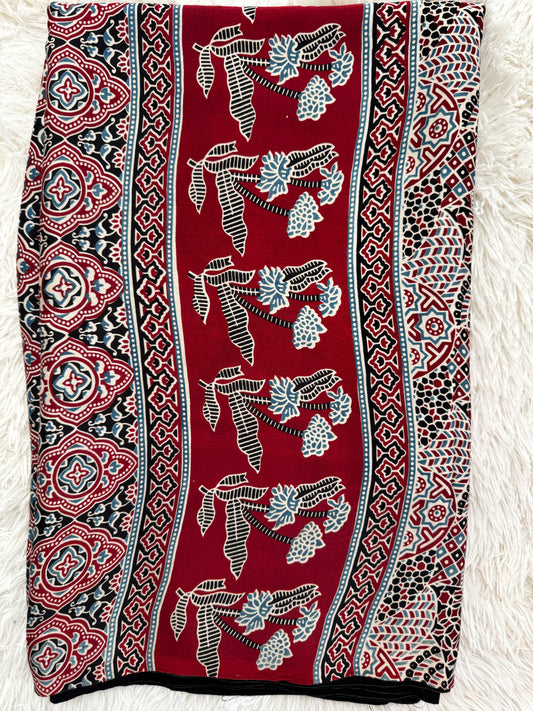
Ajrakh Modal Reversible Indigo Saree
Regular price $122.00 USDRegular priceUnit price per -
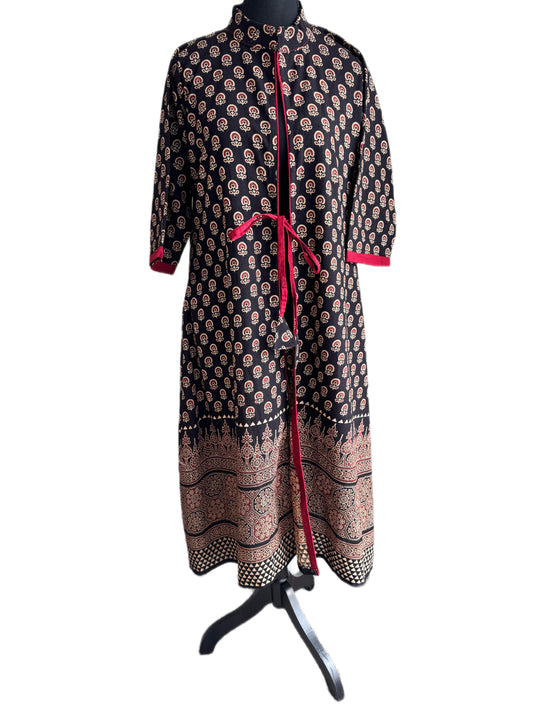
Kala Jackets: Ajrakh Cotton Hand-block
Regular price $51.00 USDRegular priceUnit price per -
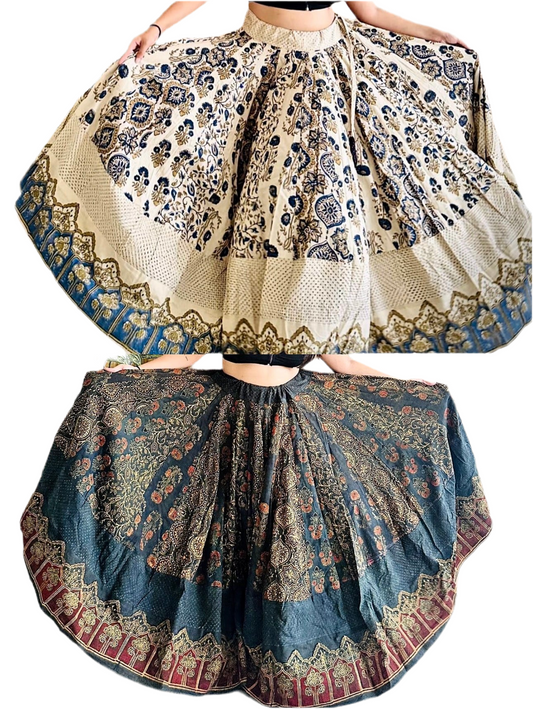
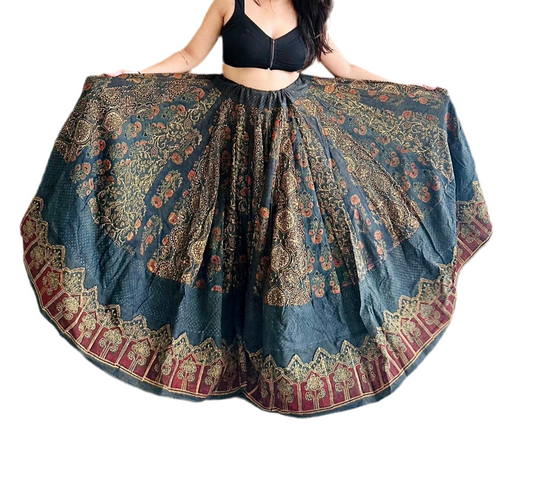
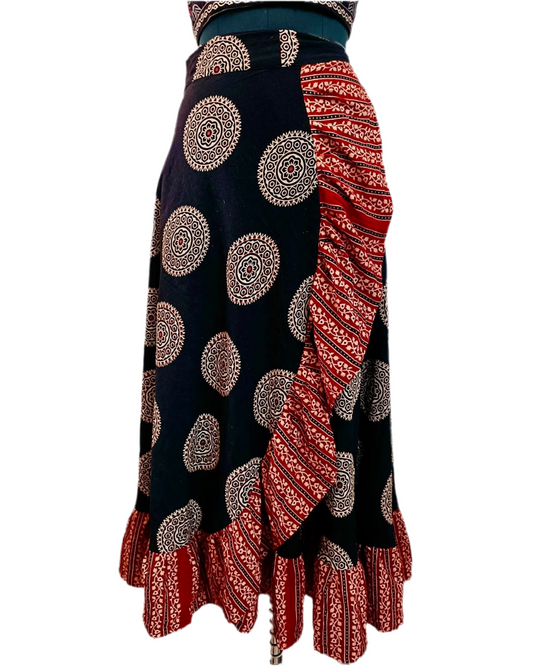
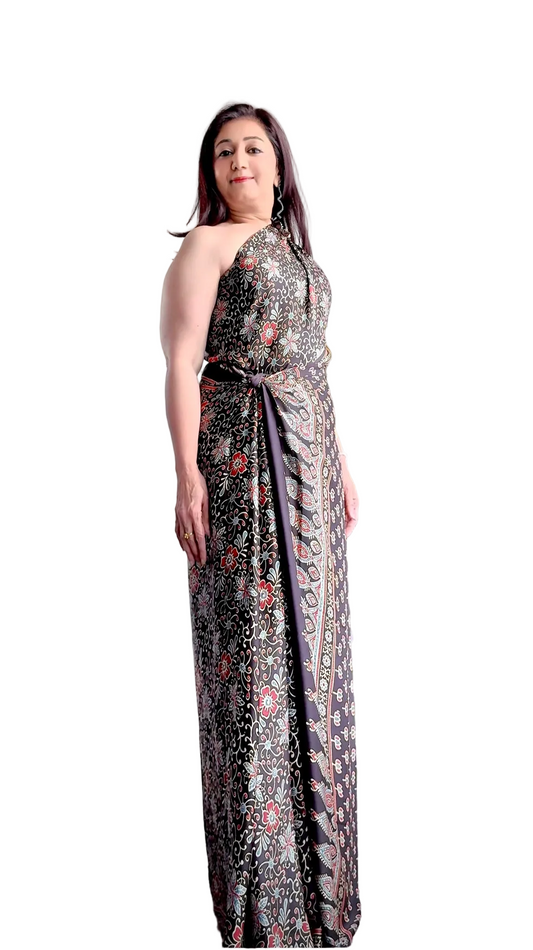
Revaa Wraps- Ajrakh Handblocked Wrap Around Skirts
Regular price $61.00 USDRegular priceUnit price per$71.00 USDSale price $61.00 USDSale -
 Sold out
Ghagra- Cotton Ajrakh handblock
Regular price $104.00 USDRegular priceUnit price per -
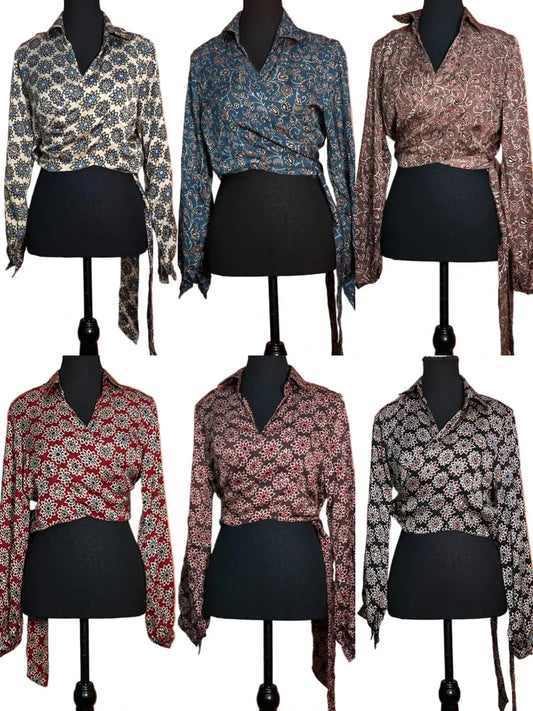
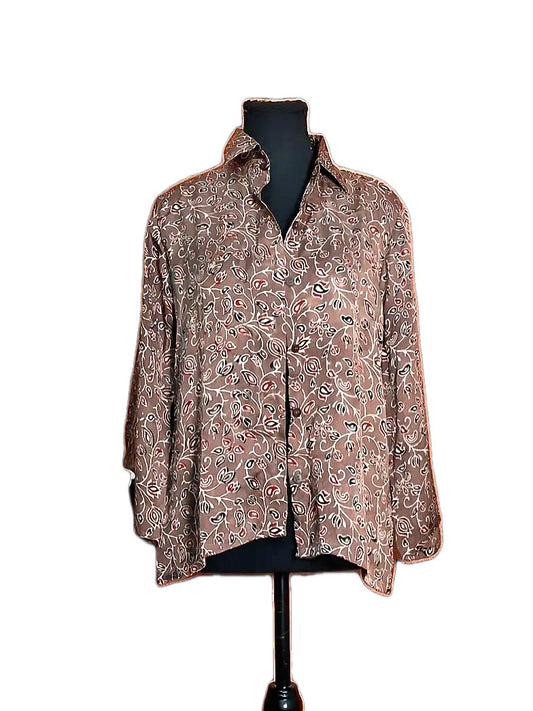
Ajrakh buttoned collar shirt top
Regular price $54.00 USDRegular priceUnit price per -
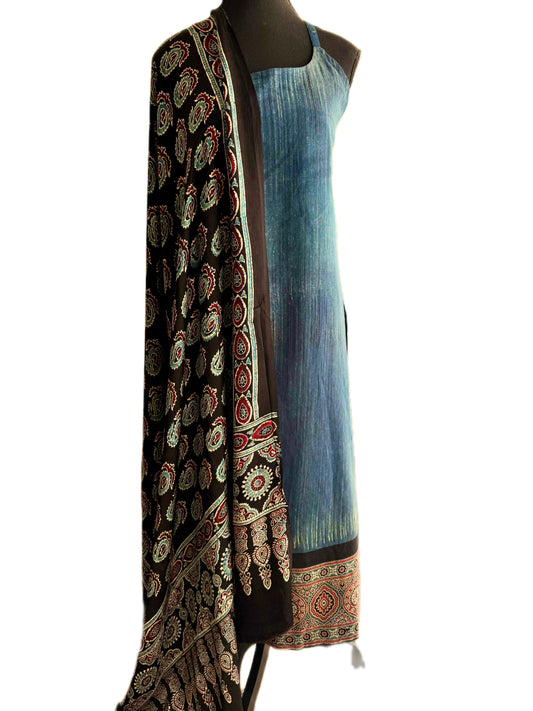
Hand-Brushed Cotton Ajrakh Daman Long Kurti & Pae-Jamah with Pure Modal Dupatta
Regular price From $71.00 USDRegular priceUnit price per -
Ajrakh Handblocked Cotton Saree with Natural Dyes (UK ONLY)
Regular price $97.00 USDRegular priceUnit price per -
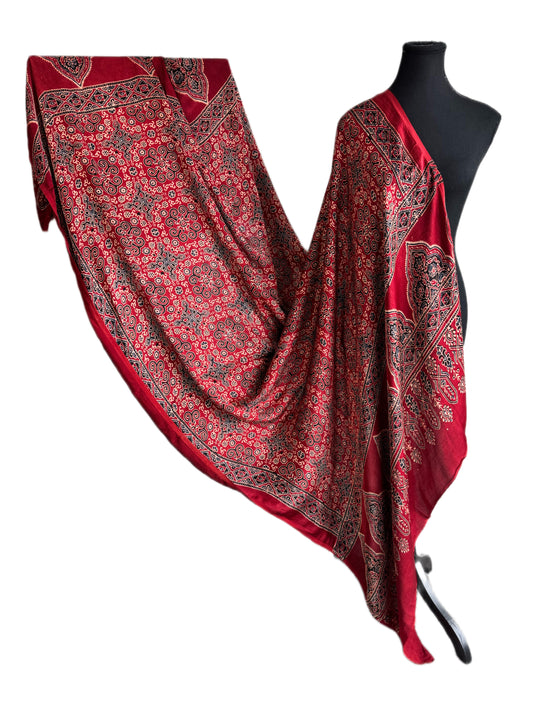
The Midnight & Madder Ajrakh Pallu Saree in Pure Modal
Regular price $201.00 USDRegular priceUnit price per -
Modal Ajrakh Dupatta (handblocked)
Regular price $65.00 USDRegular priceUnit price per -
Ajrakh Modal Reversible Saree (Black)
Regular price $215.00 USDRegular priceUnit price per -
Modal Ajrakh reversible Dupatta
Regular price $61.00 USDRegular priceUnit price per -
Ajrakh Saree with Zari Pallu - adorned with kairi and haathi motifs
Regular price $140.00 USDRegular priceUnit price per












Ajrakh – Where Tradition Meets Artistry
Introduction
Ajrakh is not merely a textile; it is a profound expression of heritage, sacred geometry, and ecological harmony. Rooted in antiquity, this ancient art form represents a seamless dialogue between human skill and the natural world. Characterized by its intense, deep jewel tones and complex, mathematically precise block-printed patterns, Ajrakh is a living testament to sustainable luxury and timeless sophistication in contemporary fashion.
Linguistic Nomenclature and Alternate Names
-
Ajrakh (अजरख / અજરખ): Most commonly derived from the Arabic word Azrak, meaning "blue," highlighting the central role of the indigo plant in its creation.
-
Local Lore: In vernacular Kutchi and Sindhi, it is also poetically attributed to the phrase “Aaj rakh”, which translates to “keep it for today,” referencing the patience required in its extensive multi-day creation process.
-
Alternate Spellings: Ajrak, Azrak.
Origins and Evolution
The lineage of Ajrakh is staggering, tracing its origins back over 4,500 years to the Indus Valley Civilization. Archaeological excavations at Mohenjo-daro revealed the famous "Priest-King" statue draped in a shawl featuring a trefoil motif, widely believed by historians to be a precursor to the Ajrakh patterns we see today.
Historically, Ajrakh held deep cultural and social significance for the pastoral communities (such as the Maldharis) of the Indus region. It was a revered textile used for turbans, shawls, and cummerbands. The craft survived centuries of migration, geopolitical shifts, and industrialization due to the resilience of its traditional practitioners, evolving from a local identity marker into a revered global art form.
Geographic Origin and Contemporary Clusters
-
Historical Region: The undivided Indus River Valley basin (spanning Sindh and parts of Western India).
-
Current Indian Clusters: Today, the heartland of Ajrakh resides in the Kutch district of Gujarat and parts of Rajasthan.
-
Key Villages: Ajrakhpur and Dhamadka in Kutch, Gujarat, are the primary craft clusters where multi-generational artisan families, traditionally from the Khatri community, preserve this heritage.
The Technique and Intricate Process
The creation of Ajrakh is an arduous, ritualistic 14-to-16-stage process of washing, mordanting, printing, and dyeing that can take up to three weeks to complete.
-
Scouring & Preparing (Saaj): The raw fabric is washed repeatedly with camel dung, soda ash, and castor oil to soften it and prepare it to absorb the dyes.
-
Resist Printing & Mordanting: Artisans use hand-carved wooden blocks made from teak or sissoo wood. A resist paste made of lime and gum arabic is printed to keep certain areas white. Mordants (like alum) are printed to help the natural dyes bind to the fabric.
-
The Symphony of Natural Dyes: Ajrakh relies strictly on a complex alchemy of earth, minerals, and plant matter:
-
Blue (Indigo): Derived from the fermented leaves of the Indigofera tinctoria plant.
-
Red (Madder): Achieved using Manjistha (Madder root) or Al root, often combined with alum.
-
Black: Formulated by fermenting scrap iron with jaggery (raw sugar) and water to create iron acetate.
-
Yellow/Green: Sourced from Hardeh (myrobalan fruit), pomegranate rinds, and turmeric.
-
The fabric is dyed sequentially—starting with the blues and reds—and washed thoroughly between each stage in running water, allowing the sun to bake and cure the colors.
Contemporary Fabric Canvas
While historically printed on coarse, locally handspun cotton to withstand the rugged pastoral life, modern Ajrakh fashion adapts to a luxurious variety of natural textiles to suit global silhouettes:
-
Fine Cottons: Mulmul (muslin), cambric, and organic Kala Cotton (a resilient, indigenous GMO-free cotton native to Kutch).
-
Silks: Gaji silk, Tussar silk, Chanderi, and Mashru (a traditional satin-weave heritage fabric of silk and cotton).
-
Modal & Bamboo Silks: Modern, eco-conscious plant-based fibers that drape beautifully while honoring the sustainable ethos of the craft.
Shop Ajrakh Fashion Online
Discover the beauty of Ajrakh with Femantraa’s Handcrafted Collection. Whether you’re looking for a beautiful legacy saree, a versatile ajrakh dupatta, or a flowing stole scarf, we have something for every occasion. Shop online today and add a touch of timeless artistry to your wardrobe!